Moving day can be exciting, but it also comes with some major concerns. What can be the most worrisome? Protecting your most delicate belongings. From wine glasses and dishes to family heirlooms and decorative pieces, fragile items require extra attention during the packing process. Without the right materials and techniques, even a short move can result in chips, cracks, or complete breakage.
The good news is that learning how to pack fragile items properly isn’t difficult. With a little preparation and the right approach, you can significantly reduce the risk of damage and help ensure your belongings arrive safely at your new home.
As a trusted South Florida moving company, Our Family Moving & Storage understands that professional support can make a major difference when handling delicate belongings during a relocation. Many customers rely on our expert South Florida movers to ensure their fragile items are properly packed, loaded, and transported with care.
Why Proper Packing Matters
Fragile items are often some of the most valuable possessions in your home, whether financially or sentimentally. Glassware, fine china, collectibles, electronics, artwork, and antiques can all be vulnerable during transportation.
Boxes may shift while being loaded, unloaded, or transported. Even small bumps in the road can cause items to move inside a box if they aren’t packed correctly. Taking the time to properly cushion and secure fragile belongings helps prevent costly replacements and unnecessary stress when unpacking.
Gather the Right Packing Supplies
Before you start packing, make sure you have high-quality moving supplies on hand. Using sturdy materials is one of the most effective ways to protect delicate items.
Some essential packing supplies include:
- Sturdy moving boxes
- Dish pack boxes
- Bubble wrap
- Packing paper
- Packing tape
- Foam sheets
- Packing peanuts
- Cardboard dividers
- Permanent markers for labeling
While it may be tempting to reuse old boxes, fragile items are best protected in strong, undamaged containers designed to withstand the demands of moving.
How to Pack Glassware for Moving
Glassware is one of the most commonly damaged household items during a move. Fortunately, a few simple steps can provide excellent protection.
Start by placing several layers of crumpled packing paper at the bottom of the box to create a cushion. Wrap each glass individually with packing paper or bubble wrap, paying special attention to stems, rims, and handles.
When packing glasses:
- Wrap each piece separately.
- Fill the inside of larger glasses with packing paper.
- Place glasses upright rather than on their sides.
- Avoid stacking glasses directly on top of one another.
- Use dividers whenever possible.
Once packed, fill any empty spaces with additional packing paper or cushioning material to prevent movement during transit.
The Best Way to Pack Dishes and Other Breakables
Plates, bowls, and serving dishes require a slightly different approach than glassware.
Wrap each item individually and stack plates vertically like records rather than laying them flat. Vertical packing distributes pressure more evenly and reduces the likelihood of cracking.
For delicate dishware:
- Place heavier pieces at the bottom.
- Use multiple layers of packing paper between items.
- Add cushioning on all sides of the box.
- Fill gaps completely to eliminate movement.
If you’re packing fine china or sentimental heirlooms, consider double-boxing for an extra layer of protection.
Tips for Packing Other Fragile Household Items
Not all fragile belongings fit neatly into a box. Decorative items, lamps, artwork, electronics, and collectibles often require customized protection.
For electronics:
- Use original packaging whenever possible.
- Wrap cords separately and label them.
- Protect screens with foam or soft cloths.
For framed artwork and mirrors:
- Use corner protectors.
- Wrap pieces in moving blankets or foam sheets.
- Pack them vertically in specialty picture boxes.
For decorative pieces and collectibles:
- Individually wrap each item.
- Use small boxes to minimize shifting.
- Add extra cushioning around protruding parts.
Every fragile item is unique, so it’s important to assess its shape, weight, and vulnerability before packing.
Common Packing Mistakes to Avoid
Even with the best intentions, many people make mistakes that increase the risk of damage during a move.
Some of the most common packing errors include:
Overpacking Boxes
Heavy boxes are harder to carry and more likely to fail during transportation. Keep box weights manageable and use smaller boxes for heavier items.
Not Using Enough Cushioning
A lack of padding allows items to shift and collide. Always fill empty spaces with packing paper, foam, or packing peanuts.
Using Weak Boxes
Old or damaged boxes may collapse under pressure. Invest in quality moving boxes designed for fragile items.
Skipping Labels
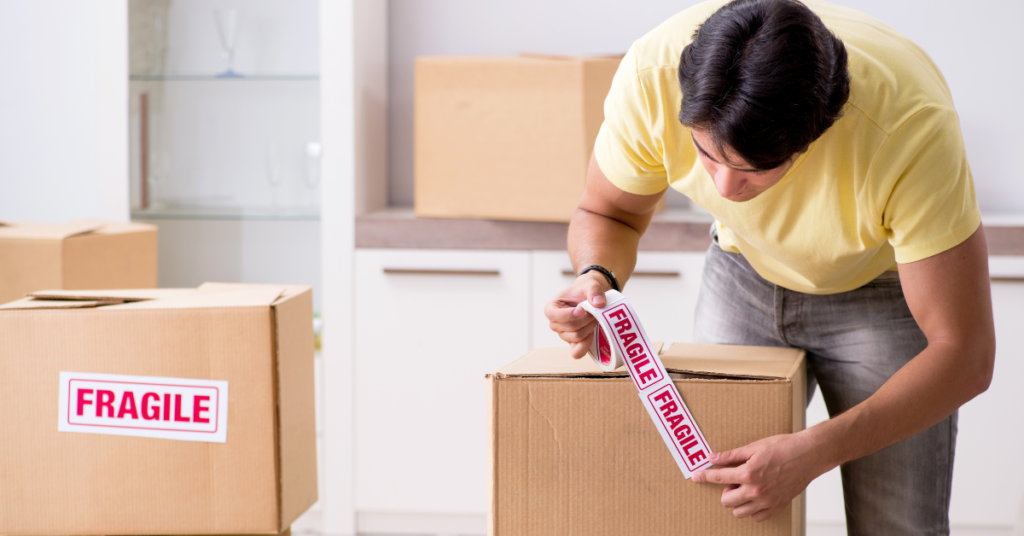
Clearly mark boxes with labels such as “Fragile” and “This Side Up.” Proper labeling helps ensure careful handling throughout the moving process.
Packing Fragile Items Together Without Separation
Even if items are wrapped, placing them directly against one another can lead to damage. Use dividers or cushioning between every piece to prevent this.
When to Consider Professional Packing Services
Some items are simply too valuable, delicate, or difficult to pack on your own. Professional movers have experience handling fragile belongings and access to specialized packing materials that provide additional protection.
Professional packing services from experienced residential movers can be especially helpful for:
- Fine china collections
- Antiques
- Artwork and mirrors
- Crystal glassware
- Electronics
- Family heirlooms
Having experienced professionals handle your most delicate possessions can provide added peace of mind and help reduce the risk of costly damage.
Protect Your Fragile Items from Start to Finish
Learning how to pack fragile items and glassware for moving is one of the best ways to protect your belongings throughout the relocation process. By using quality packing supplies, wrapping each item carefully, and avoiding common packing mistakes, you can greatly reduce the chances of damage during transit.
Whether you’re moving across town or across the state, taking extra care with fragile items today can save you time, money, and frustration when it’s time to unpack. If you’d rather leave the packing to the professionals, Our Family Moving & Storage can help ensure your delicate belongings arrive safely at your new home. For assistance or to schedule your move, contact us today!